Japan reportedly to resume IR licence bidding
The Japan Casino Regulatory Commission is now expected to restart bidding for two remaining integrated resort licences later this year.
The Japan integrated resort sector is stirring back to life.
According to reports from local outlets, the Japan Casino Regulatory Commission, which only awarded one of three IR licences in 2023, plans to reopen the application round in the coming year.
Japan first legalized casino resorts in 2018. At the outset, optimistic analysts forecast the market could generate gross gaming revenue as high as $40 billion annually.
However, the Covid-19 crisis forced many investors into retreat, and enthusiasm for Japan’s market slowed. The lengthy bidding structure and demanding oversight system only added to the difficulties.
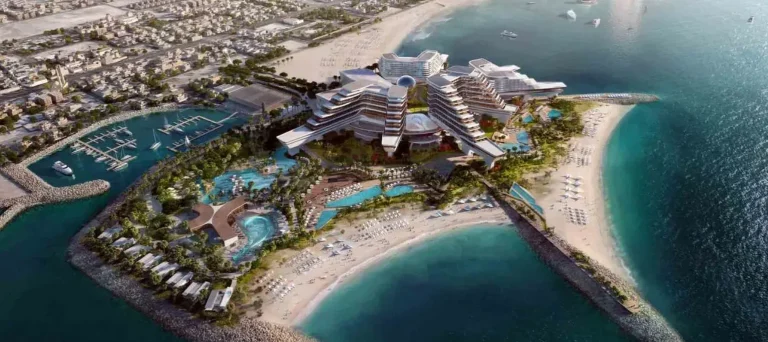
In 2023, just one of three available licences went to MGM Resorts and its Japanese partner, Orix Corp. Their $8.9 billion MGM Osaka project began construction on Yumeshima Island last month and is expected to debut in 2030.
Getting back to business
Momentum for a new bidding round grew in December, when the Diet approved new appointments to the gaming commission.
Former prosecutor Takafumi Sato, a key figure in shaping Japan’s IR rules, was chosen as chairman. Junichi Kakimizu, once head of the National Tax College, also joined. Psychiatrist Michiko Watari was reappointed. They joined existing members Hirofumi Kitamura, a former law enforcement officer, and economics professor Keiko Ishikawa.
Are casino groups still eager for Japan? In 2020, Las Vegas Sands withdrew, saying the returns did not justify the required outlay. In 2021, Wynn Resorts and Melco exited Yokohama bidding when an anti-casino mayor took office.
The Hokkaido Shimbun reports that a government survey found “several prefectures, including Hokkaido … are ‘interested’.” Previously, Hard Rock International focused on Hokkaido, along with Mohegan Gaming and Rush Street.
Yet Tokyo remains the biggest prize. Home to 37 million people, the capital hosted nearly 20 million international tourists and over 540 million domestic trips in 2023.
Osaka IR is the barometer
Steve Gallaway, managing partner at Global Market Advisors, says future investor enthusiasm depends on MGM Osaka’s performance. If successful, “there will be a push for more expansion.”
Gaming analyst Howard Jay Klein, writing for Seeking Alpha, urged newcomers to learn from Osaka’s model.
He called MGM Osaka the “first genuine mega ‘city within a city’ resort, setting a benchmark for large-scale brick-and-mortar venues in the age of digital betting.”
The huge development will feature three hotels with 2,500 rooms “covering three customer categories.” It will also offer 68,000 square metres of event space, a mall, spa, 3,000-seat theater, and 14+ restaurants.
The casino itself is only 3% of the total footprint, but still spans 69,700 square metres, with 6,400 slots and 470 tables.
MGM executive: Everybody wins
Speaking at G2E Asia in Macau on Wednesday, MGM’s President of Global Development Ed Bowers said the project will deliver major benefits for the prefecture, providing $1.1 billion yearly to Osaka’s economy via taxes and fees. “Moreover,” he noted, “it should produce nearly three-quarters of a billion dollars for Japan’s federal government.”
If new bidding is opened, MGM will keep its “first mover advantage” for at least five years post-launch, extending to 2035, Klein said.
“Osaka’s early position will be worth its weight in gold.”